Wholesale & Export
Cheesecake Varieties for Cafe Menus: Lotus, Raspberry, Lemon, San Sebastian
How to choose and combine Lotus, raspberry, lemon and San Sebastian cheesecakes on a cafe menu, with portion counts and serving tips.
For most cafe menus, a small cheesecake selection of Lotus, raspberry, lemon and San Sebastian covers the main flavour profiles: sweet and biscuit-led, fruity, fresh and citrusy, and rich and caramelised. Frozen cheesecakes let you stock all four without daily baking, thaw only what you need in about 4 hours in the fridge, and serve consistent portions.
Why cheesecake earns a place on the menu
Cheesecake is one of the few desserts that almost everyone recognises. It works with coffee, tea and cold drinks, photographs well and suits both sit-down and takeaway service. It also comes in many flavours from a single base idea, which lets you refresh your display without adding new preparation methods.
The Sweet Heaven cheesecake category lists five products at 1,600 g to 1,750 g per cake, each supplied in cartons of six. Storage is listed at 12 months at -18°C, and 4 days at +4°C after thawing. Check the product label for exact values.
The four essentials
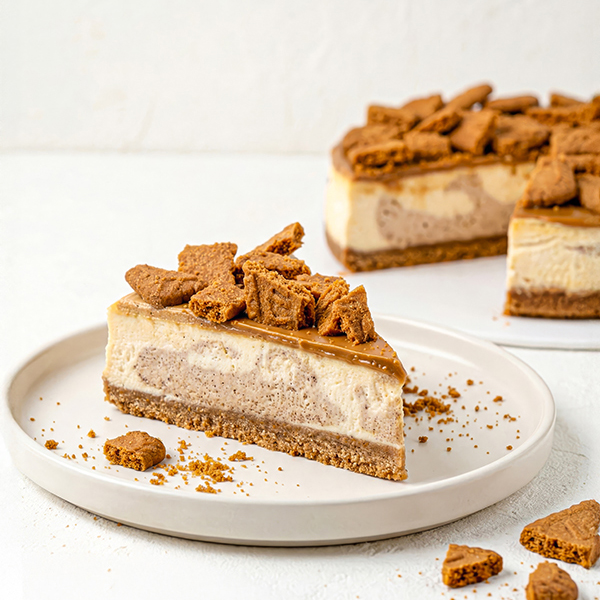
Lotus cheesecake: the crowd-pleaser
The Lotus Cheesecake is listed at 1,600 g and 12 portions per cake. Biscuit-flavoured desserts are popular with younger customers and with anyone who likes a sweet, caramel-toned taste. It pairs naturally with filter coffee, lattes and iced drinks.
Best for: cafes with a coffee focus, social-media-conscious venues, and menus that need one indulgent option.
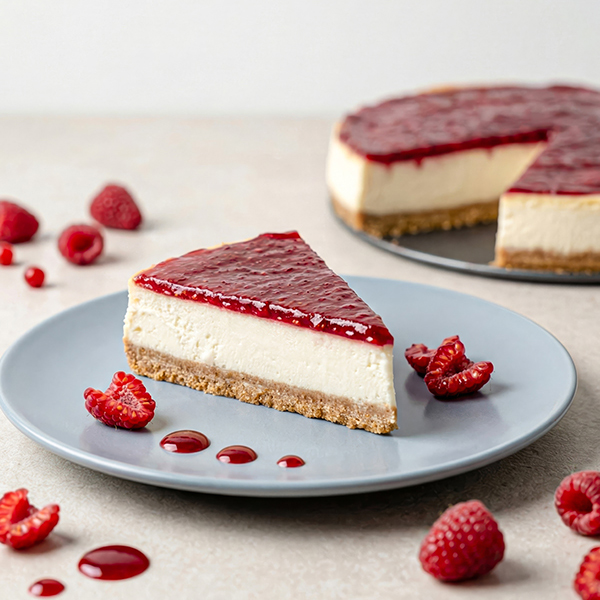
Raspberry cheesecake: the colour and freshness
The Raspberry Cheesecake is listed at 1,600 g and 12 portions. Red fruit brings visual contrast to a glass display case, and its tartness balances the richness of the cream cheese. It works particularly well in warm weather or as a lighter finish at the end of a meal.
Best for: brunch venues, tea rooms, and desserts served with fruit-based drinks.
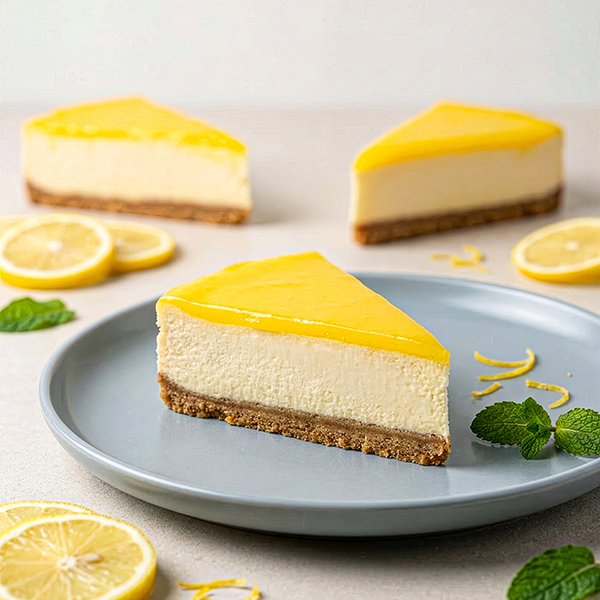
Lemon cheesecake: the clean, refreshing choice
The Lemon Cheesecake is also listed at 1,600 g with 12 portions. Citrus is a good option for guests who find other cheesecakes too heavy, and it complements tea and sparkling drinks.
Best for: hotels and restaurants, afternoon tea and buffet dessert tables.
San Sebastian burnt cheesecake: the modern classic
The San Sebastian Burnt Cheesecake is listed at 1,750 g and 10 portions, so each slice is somewhat larger than the other three. Its caramelised, slightly darker top and creamy centre give it a different look from the standard layered cheesecake, and it has become a familiar item in specialty cafes.
Best for: specialty coffee shops, restaurants and any menu that wants a contemporary feel.
A fifth option: Portalata
The range also includes Portalata, listed at 1,600 g and 12 portions. Consider it if you want a further variation once you have tested the core four.
Building a balanced cheesecake range
You do not need all four on day one. Consider these starting points:
- Two-item start: Lotus and lemon give you a sweet option and a fresh option.
- Three-item start: add San Sebastian for something visually different.
- Full range: add raspberry for colour and a fruit choice.
Rotate seasonally. Lighter fruit and citrus flavours suit warmer months, while richer options come forward when the weather cools. Because the cakes are frozen, you can change the mix without wasting product.
Portion maths for cafes
Each cake's portion count is on its product page. A 12-portion cake sold as individual slices gives you 12 servings. A 10-portion cake gives fewer but larger slices. Divide your cost per cake by portions to get your cost per slice, and compare it to your intended menu price. As a rule, 12-portion cakes are easier to fit into weekday trade, and larger slices suit weekends.
If you sell in a display case, consider cutting only what you expect to sell in a service, and keep the remainder covered in the fridge.
Serving tips
- Thaw in the refrigerator for about 4 hours, in the packaging
- Slice with a warmed, wiped knife for clean edges
- Add a simple garnish, such as fresh fruit, a dusting of cocoa or a mint leaf, only at service
- Keep the display case cold, and replenish in small amounts
If you cannot serve a thawed cake within its label window, which is 4 days at +4°C for the listed range, plan smaller thaws.
Pairing ideas
| Cheesecake | Pairs well with |
|---|---|
| Lotus | Latte, cappuccino, iced coffee |
| Raspberry | Fruit tea, sparkling water, flat white |
| Lemon | Green tea, Earl Grey, sparkling drinks |
| San Sebastian | Espresso, filter coffee, dessert wine |
Add cheesecakes to your menu
If you would like to test these cheesecakes in your cafe, browse the range and contact us through the dealer application. Tell us about your venue and we will help you choose a starting selection.
Frequently asked questions
Which cheesecake sells best in cafes?
It depends on your customers, but Lotus and San Sebastian are popular, recognisable options. A balanced selection with a fruit and a citrus choice covers most tastes.
How many portions are in each Sweet Heaven cheesecake?
The Lotus, Raspberry, Lemon and Portalata cheesecakes are listed at 12 portions per 1,600 g cake. The San Sebastian is listed at 10 portions per 1,750 g cake.
How long does it take to thaw a frozen cheesecake?
Roughly 4 hours in the refrigerator at +4°C. Check the product label for the exact time.
How long can I keep a thawed cheesecake?
The listed value is 4 days at +4°C after thawing. Frozen storage at -18°C is listed at 12 months. Check the product label.
Is there a gluten-free cheesecake option?
The gluten-free hotel cake category includes lemon, raspberry and blueberry cheesecakes. Read the label and ask the manufacturer about cross-contact.